


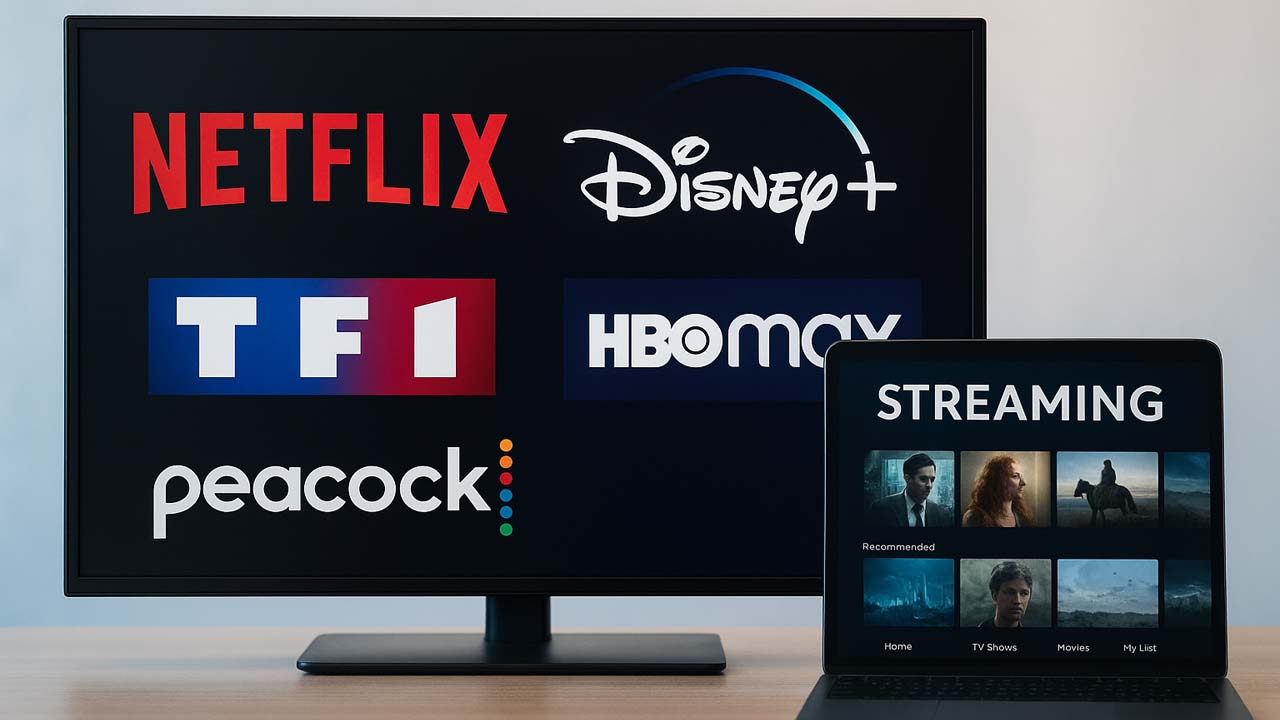
The global streaming market is slowing down: after years of growth, platforms such as Netflix and Disney+ are focusing on new strategies - from advertising financing to TV co-operations. The Netflix-TF1 deal shows where the streaming business is heading in 2025: hybrid, data-driven and regionally anchored.
After years of rapid growth, the global streaming dynamic is slowing down. Instead of focussing on new subscribers, providers are now concentrating on customer loyalty, advertising financing and local partnerships. The market is entering a consolidation phase - with new opportunities and challenges for SVOD platforms.
Growth at a standstill
The global market for subscription-based streaming services (SVOD) is growing much more slowly. In the USA, Netflix, Disney+, HBO Max and Peacock together had around 260 million subscriptions in 2024 - an increase of around ten per cent. In total, the market reached almost 339 million subscriptions in mid-2025, but annual growth fell below the ten per cent mark for the first time.
Usage is also falling: In North America, viewing time fell by 18 per cent, in Europe by 12 per cent. Despite bundled offers such as the Disney+/HBO Max combo, it is becoming more difficult to retain viewers in the long term.
The price pressure is growing. Ad-free subscriptions now cost an average of USD 14 per month, while almost half of all users are switching to cheaper, ad-financed models.
Netflix & TF1: A model for the future
The cooperation between Netflix and French broadcaster TF1 is a strategic milestone. From summer 2026, Netflix will offer around 30,000 hours of TF1 programmes as well as live broadcasts of linear channels - including sports, entertainment and reality shows.
Netflix is thus integrating live TV into its platform for the first time and becoming a hybrid provider of streaming and pay-TV services. For Netflix, this means access to TF1's broad audience and new advertising space in the French market.
Industry analysts see this as a possible future model: the combination of live content, linear television and on-demand streaming could also set a precedent in other markets.
Focus on ad-financed streaming
The trend towards the ad-supported model is fundamentally changing the streaming economy. Although many users accept advertising, the increasing amount of advertising inventory is lowering prices. Providers are responding with regional content, live events and sophisticated ad tech to offer advertisers precise target groups and brand-safe environments.
At the same time, pressure is growing from social platforms that are using AI-based targeting to advertise ever more efficiently. In order to remain competitive, streaming services are investing in data-based advertising and personalised formats.
AMC Networks: Independent course despite decline
AMC Networks is defying the market trend with a defensive strategy. Despite falling advertising revenues and declining TV fees, the company expects positive cash flows in 2025. The streaming business continues to grow, driven by brands such as AMC, Sundance TV and BBC America.
However, the model is under pressure: traditional channels are losing importance, while free FAST offerings are gaining market share. Without new content or partnerships, AMC could lose out.
Expansion with risk
There is further growth potential in regions such as Asia, the Middle East and Africa - albeit with significantly lower revenue per user (ARPU). Providers rely on localised content and AI-supported synchronisation to reduce costs and increase reach.
Whether this expansion will pay off remains to be seen: Global growth outside of premium services was recently only six per cent.
Conclusion: The future is hybrid
The Netflix-TF1 deal symbolises the next phase of the streaming industry. The future belongs to hybrid models that combine linear, live and on-demand content - with regional relevance, data-driven advertising and flexible pricing structures.
Streaming remains in flux: those who combine global reach with local depth will secure a place in the new digital entertainment ecosystem, even in saturated markets.