


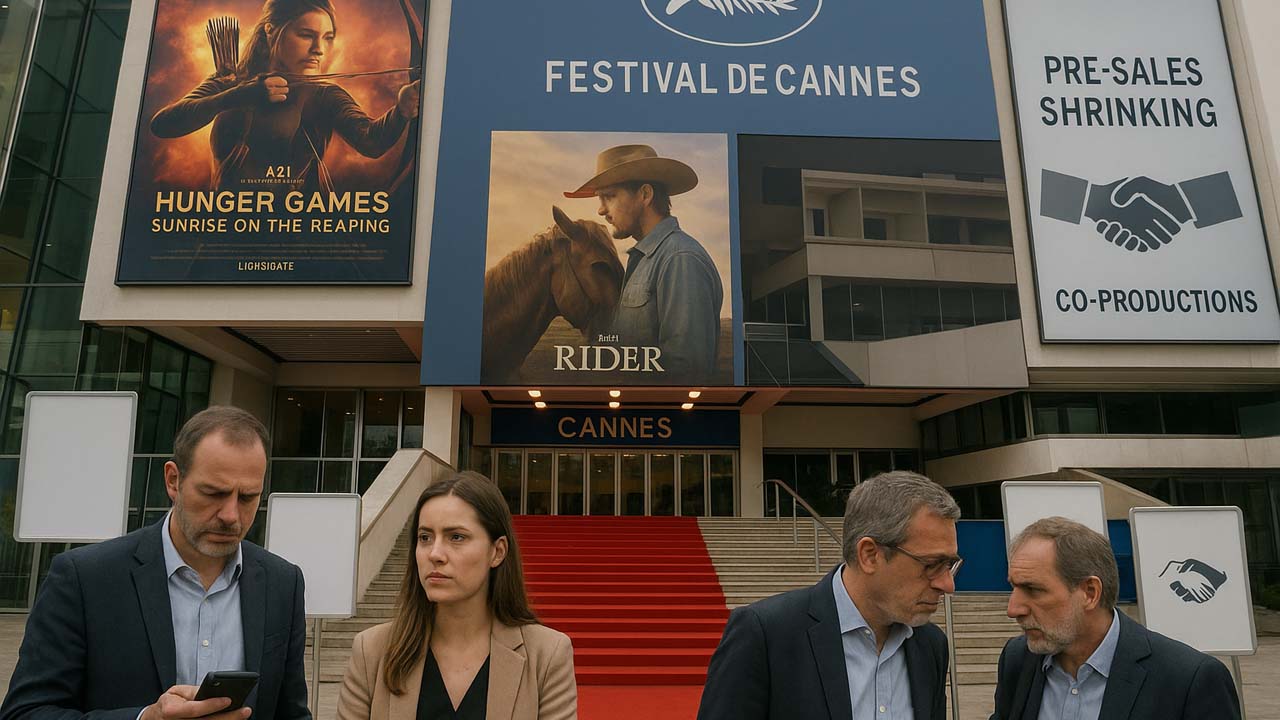
The Cannes market in 2025 reflects a profound change. High production and distribution costs as well as shortened pay-1 licence windows mean that studios and streaming services are acting very selectively. As a result, pre-sales are declining, especially on the North American market, and many films remain without buyers - even promising titles from renowned festival sections.
To minimise risks and better serve international markets, producers are increasingly turning to co-productions. These enable better control over rights, access to funding and more attractive offers for territorial buyers. However, there are still difficulties, particularly with medium budgets, as premium titles from major studios such as Lionsgate and A24 dominate the market.
Cinema success remains essential for long-term value creation, but cinema behaviour is increasingly unpredictable. In many European countries, a few successful films secure the majority of revenues, while others have little chance. Without strong physical and TV sales, the pressure on cinema releases increases considerably.
Clear, well-presented projects with well-known names and a genre focus are attracting buyers, while the US market remains particularly cautious. Horror films and projects with established fan bases continue to score well. In the UK, a new tax incentive (Independent Film Tax Credit) is attracting attention in the face of rising costs.
Politically, the threatened US tariff policy on foreign films is bringing the European film industry closer together. European cultural players are forming a joint resistance to strengthen the protection and promotion of European film.
Overall, Cannes 2025 shows that traditional fast bidding is a thing of the past. Instead, selective, strategic sales approaches dominate. The coming months will show whether outstanding deals will still be concluded or whether a permanent downturn will begin.
FILMTAKE reports in detail.