


Competition in the streaming sector is shifting. Major platforms are increasingly seeking not just to offer their users their own content, but to become the central hub for as many streaming services as possible.
Amazon is leading the way. Through Prime Video, customers can already subscribe to numerous third-party streaming services and access their content directly within the platform. According to the market research firm Antenna, in June Amazon had at least 49 million subscriptions to third-party services taken out via Prime Video.
YouTube and Roku are also expanding their offerings in this area. YouTube has signed a five-year deal with Peacock. Content from the NBCUniversal streaming service is set to be available on YouTube Premium from early 2027. The price of US$16 per month is set to remain unchanged.
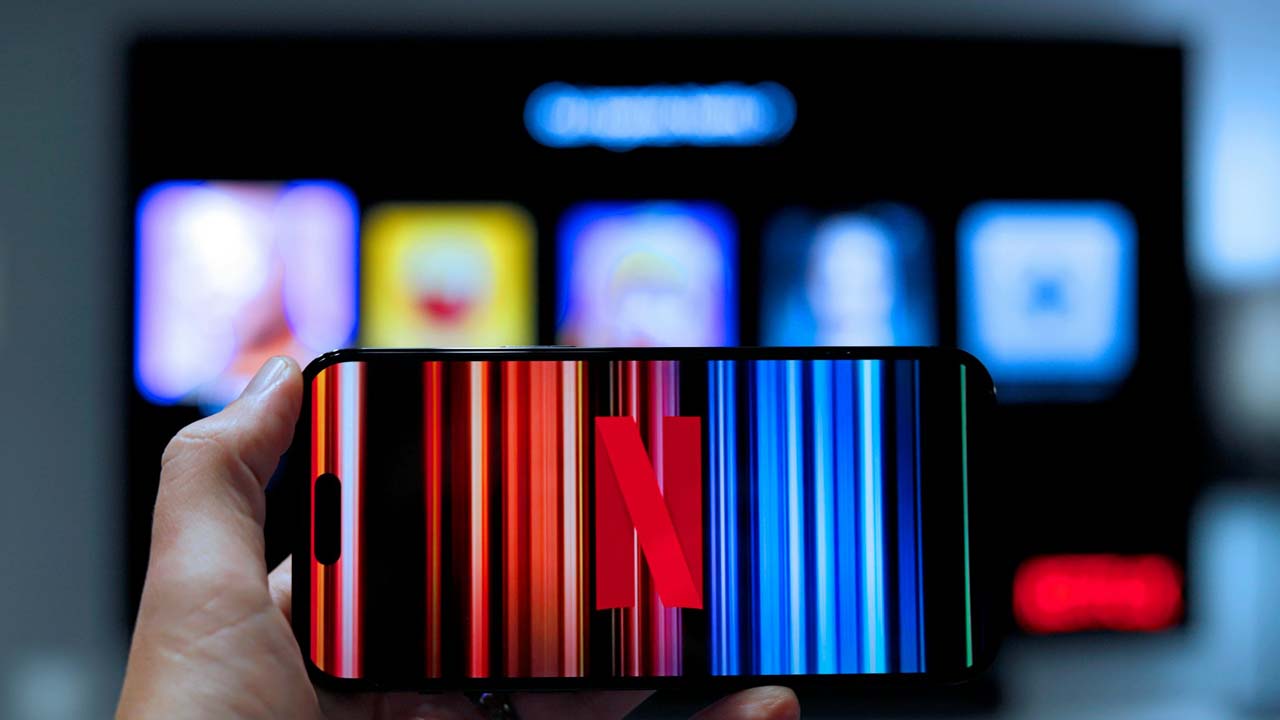
Netflix, too, has now become more open to such a strategy. In June, the company integrated an external service into its platform for the first time, in the form of TF1+ and TF1 live channels. Users in France can access these programmes and live channels directly via Netflix.
Furthermore, Netflix is reported to have held talks regarding the possible integration of further streaming services. Peacock and Fox One are said to be under consideration. No such agreement has yet been officially confirmed.
Behind this development lies a shift in the streaming industry. Whilst the initial focus was primarily on subscriber growth, providers are now increasingly concerned with keeping users on their platforms for as long as possible and reducing cancellations. The former „streaming wars“ are thus increasingly becoming „Bundling Wars“.
According to Antenna, streaming subscriptions taken out via third-party platforms such as Amazon, Roku and YouTube have risen by around 60 per cent over the past three years. Around a third of all new subscriptions are now taken out via such platforms.
For streaming providers, this model offers greater reach and easier access to audiences. At the same time, they have to hand over a share of the revenue and the direct customer relationship to the respective platform. For Netflix, Amazon and YouTube, this increasingly raises a key question: Who will control the main gateway to the streaming audience in future?