


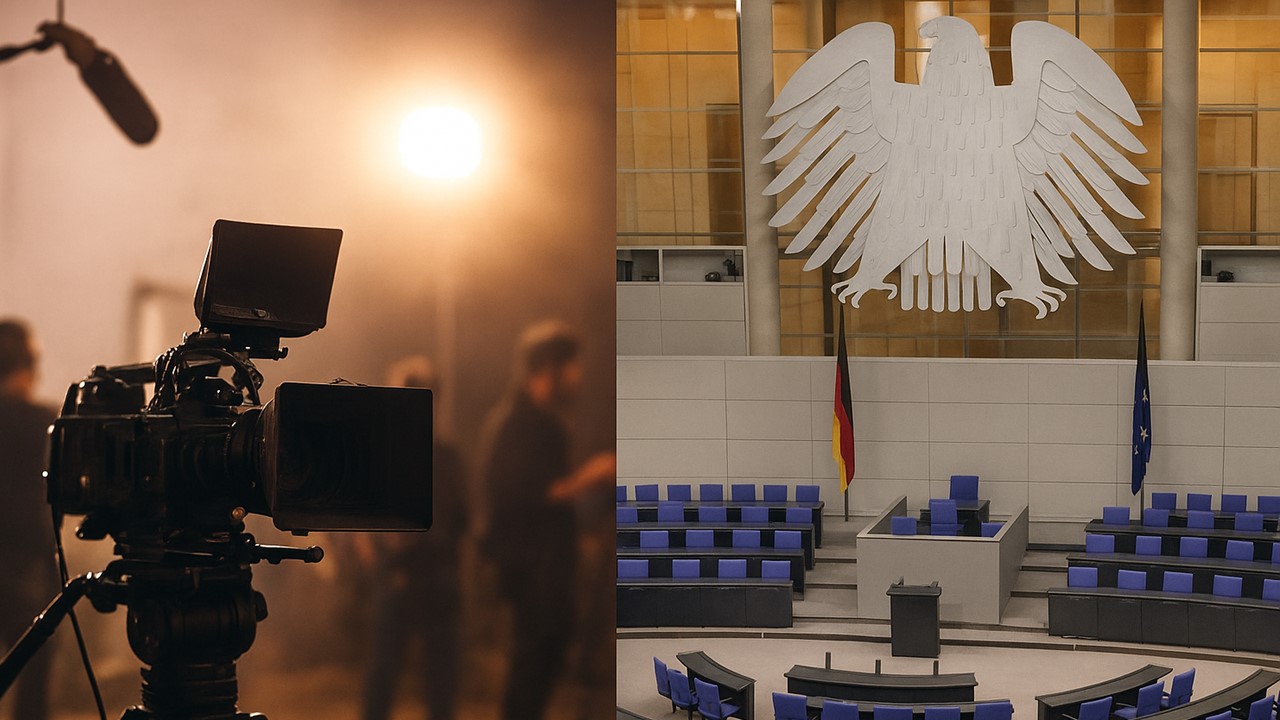
German film is under pressure: despite international success, productions, cinemas and streaming platforms are struggling with difficult framework conditions. Politicians and experts discussed funding instruments, investment obligations and the future of film heritage - key issues for the reform of film funding in Germany.
German film continues to face considerable economic challenges. At the public expert discussion of the Bundestag's Culture Committee on 12 November 2025 on the topic of "Germany as a film location", Minister of State for Culture Wolfram Weimer made it clear that the framework conditions for production and exploitation must be improved. Despite international successes such as Mascha Schilinski's "Looking into the Sun" and currently four German productions in the top five at the box office, the industry as a whole is in a difficult situation.
The debate centred on the question of how investments by streaming services and TV broadcasters in German productions can be secured in the long term. A key issue was whether this should be done via legal requirements or voluntary commitments. While some experts emphasised legal obligations in order to ensure planning security and social protection for crews, others argued in favour of voluntary commitments that allow flexibility in a dynamic market.
Weimer spoke in favour of continuing and expanding the existing funding instruments German Federal Film Fund (DFFF) and German Motion Picture Fund (GMPF). The plan is to increase the budgets of the funding programmes from 133 to 250 million euros, on the condition that streaming services and broadcasters contribute more to investments.
Cinemas were also at the centre of the discussion. Representatives of cinema associations emphasised the social importance of cinemas, especially in rural regions, and called for the cinema programme premium and the cinema of the future programme to be secured in the federal budget. Without long-term funding prospects, the modernisation of many cinemas would be jeopardised, leading to fears of cinemas dying out as they did in the early 2000s.
Another point was the safeguarding of film heritage. Experts called for more planning security for the restoration and continuation of the Film Heritage Funding Programme (FFE), as some federal states have reduced their financial participation.
The expert discussion made it clear that the German film industry must strike a balance between international competitive requirements, investment incentives and the preservation of cultural structures. The discussion about statutory obligations versus voluntary investment, the modernisation of cinemas and the preservation of film heritage will remain key issues if the German government continues to press ahead with the reform of film funding.