


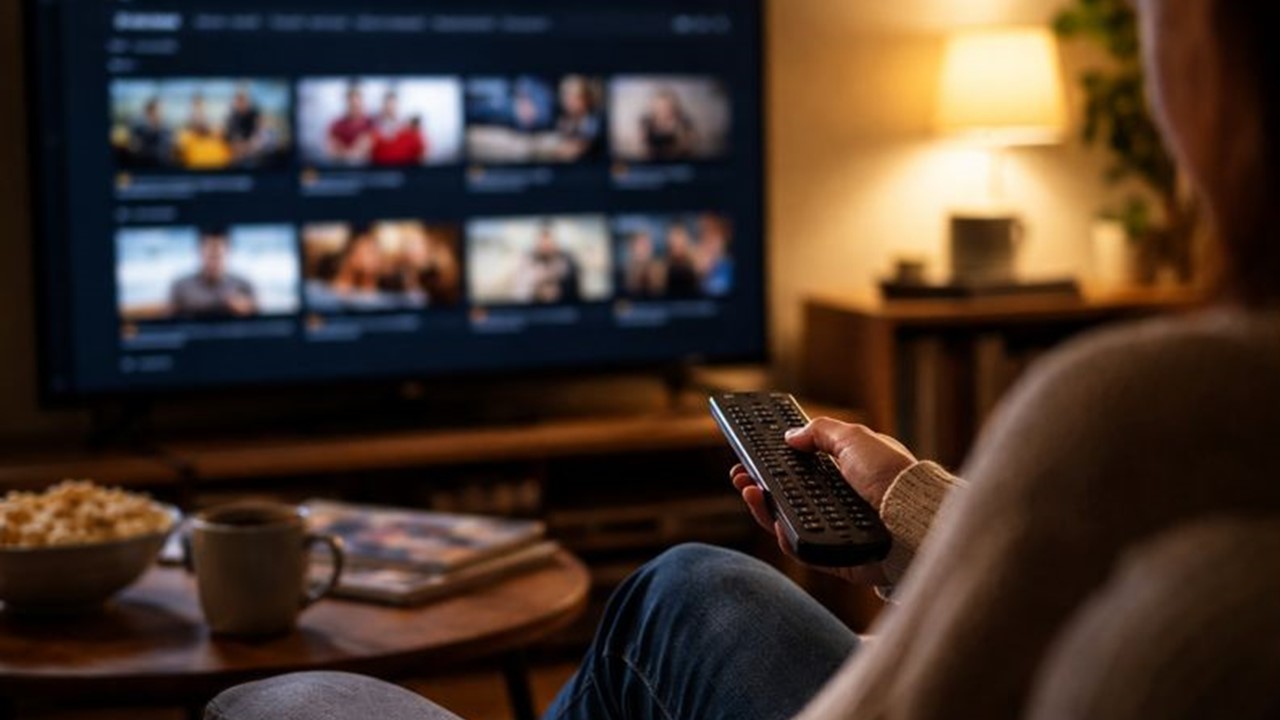
The streaming industry is moving away from the principle of permanent availability. Instead of constantly new content, control, scarcity and classic exploitation windows are once again taking centre stage. What this means for platforms, producers and the film industry.
Why control is becoming more important than content
After years of unbridled growth, the streaming industry is facing a strategic reorientation. For a long time, the motto was: whoever has the largest amount of exclusive content wins subscribers and market share. However, this model is increasingly reaching its economic limits. High production costs, stagnating subscription figures and rising cancellation rates are forcing platforms to rethink their business logic. The focus of this reorganisation is no longer solely on the content itself, but on the question, who controls access, when content is available and under what conditions.
From oversupply to artificial scarcity
For years, streaming services have focussed on maximum availability: large libraries, available at any time, worldwide and as simultaneously as possible. Although this "all-you-can-watch" principle has shaped user behaviour, it has also reduced the perceived value of individual content. If everything is permanently available, there is hardly any urgency - neither with the audience nor with the willingness to pay.
In response to this, more and more platforms are Targeted shortage. Content temporarily disappears from catalogues, is re-bundled or released at staggered intervals. This practice is deliberately reminiscent of classic exploitation windows in the film industry and marks a return to the strategic management of attention and demand.
The renaissance of windowing
Windowing, long declared dead, is making a remarkable comeback in the streaming age. Instead of immediately releasing films and series globally, staggered exploitation models are becoming more important again. Cinema, premium VOD, ad-financed streaming and subscription models are once again being more clearly separated from one another.
For platforms, this means that content is no longer just seen as a lure for subscriptions, but as a Assets with multiple stages of the value chain. Temporary exclusivity allows revenues to be optimised, marketing effects to be bundled and churn tendencies to be reduced. Access thus becomes the actual product - not the individual title.
The logic of the access economy
In this new phase, streaming is increasingly developing into a Access economy. What is produced is less important than who decides when and how content is available. Platforms no longer just act as distributors, but as gatekeepers that strategically control availability, visibility and timing.
This development is shifting the balance of power within the industry. Large platforms with extensive catalogues and global reach can rotate, bundle or exclusively place content without weakening their overall offering. Smaller providers, producers and independent distributors, on the other hand, are coming under greater pressure as their content often disappears from the market more quickly or is subject to unfavourable placements.
Effects on producers and rights holders
For producers, this development means a more complex market environment. While earlier streaming deals were often characterised by high buy-out sums and long-term exclusivity, more flexible but also more control-intensive contractual models are gaining in importance today. Rights are becoming more fragmented, windows are being defined more precisely and territorial exploitation is being negotiated in a more differentiated manner.
At the same time, dependence on platform decisions is increasing. Those who do not control direct access to the audience are dependent on content remaining visible. The question of fair participation and sustainable revenue models is therefore once again gaining relevance for the entire film industry.
Control beats content
The central realisation of this development is: It is no longer ownership of content that determines market power, but control over access and timing. In a saturated market with almost unlimited supply, control is becoming more important than expansion. Platforms are investing less in mass and more in strategic placement, exclusivity and utilisation control.
For the audience, this means a return to more curated offerings - with less constant availability but clearer highlights. For the industry as a whole, this development marks a paradigm shift: streaming is moving away from the promise of limitless consumption and moving back towards the classic economic principles of film exploitation.
Outlook
Looking ahead to the coming years, it can be assumed that this strategy will be further consolidated. Streaming platforms will expand their role as access controllers and use windowing as a central control instrument. This opens up new opportunities for the film industry, but also new dependencies. Anyone who wants to be successful in the future must not only produce good content, but also understand it, how and when access is created or withdrawn.