


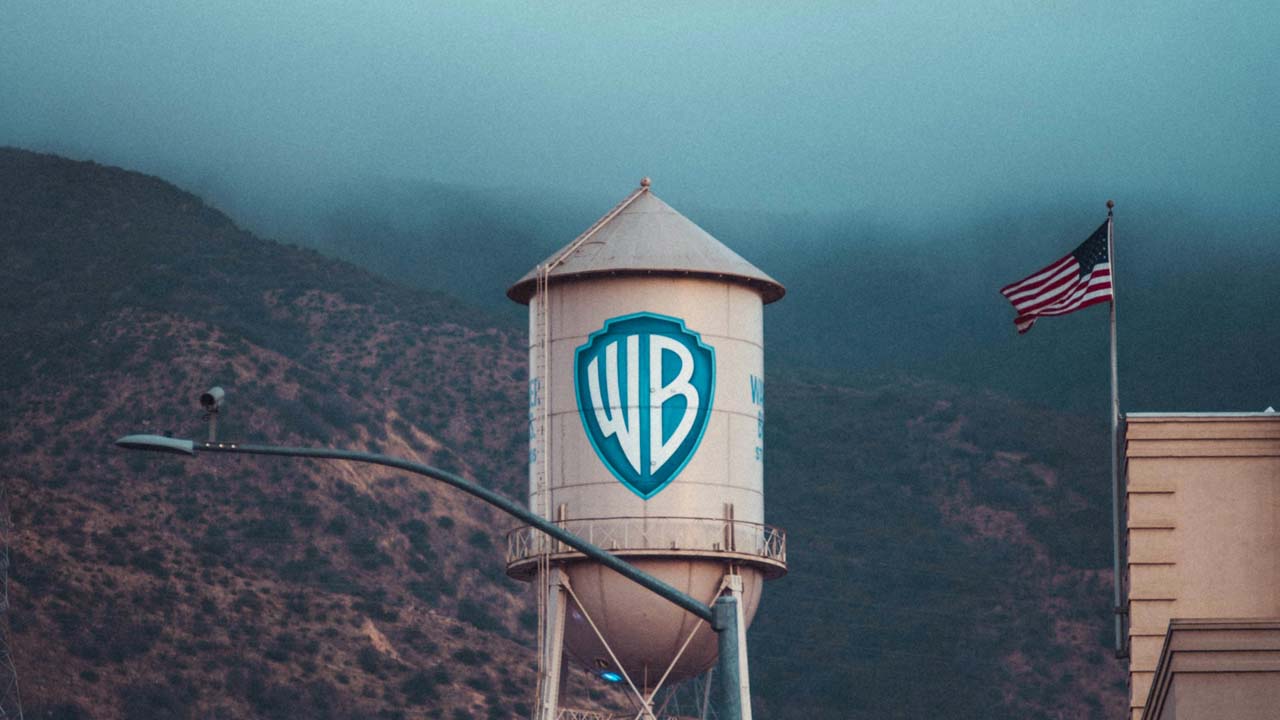
The way is largely clear for Paramount Skydance’s planned takeover of Warner Bros. Discovery. Following an agreement with twelve US state attorneys general and the settlement of the lawsuit brought by the Writers Guild of America (WGA), the transaction, valued at around 111 billion dollars, is set to be finalised as early as the beginning of October. For the film industry, however, the settlement imposes an unusually restrictive framework on the future Paramount-Warner business model.
In the first two years, the merged company must, at the very least, 30 films a year release, including at least 20 wide releases in each year. In the following three years, the target rises to 32 films and 21 wide releases. At least four titles per year must be independent productions.
The agreement also sets out clear guidelines regarding the cinema release window: the films covered must be shown for at least 45 days exclusively in the cinema be released. A film may be released on an SVoD service no earlier than 91 days after its cinema release.
Even more significant is the production target. Paramount-Warner must, over a period of five years, invest an additional 1.5 billion dollars in US film productions – 300 million dollars per year above the 2025 level. Should a nationwide, uncapped US incentive scheme be introduced, further requirements regarding the proportion of production in the US would apply. Under similar incentive schemes in California or New York, this proportion could rise to at least 40 per cent.
Hollywood itself is also set to feature prominently in the merger agreement: Paramount Studios in Los Angeles and Warner Bros. Studios in Burbank must remain in operation for at least five years. In addition, a fund for independent films is to be set up, into which five million dollars will be paid annually.
These requirements are not merely political declarations of intent. Financial penalties are provided for in the event of breaches; if film obligations are not met, 30 million dollars for each missing title become due. In extreme cases, the agreement even provides for the spin-off of Miramax.
This makes the Warner takeover a remarkable precedent: through the settlement, the state is intervening directly in Film output, cinema release window, production volume and studio locations of the future media group. The merger is now due to be finalised within the coming weeks.